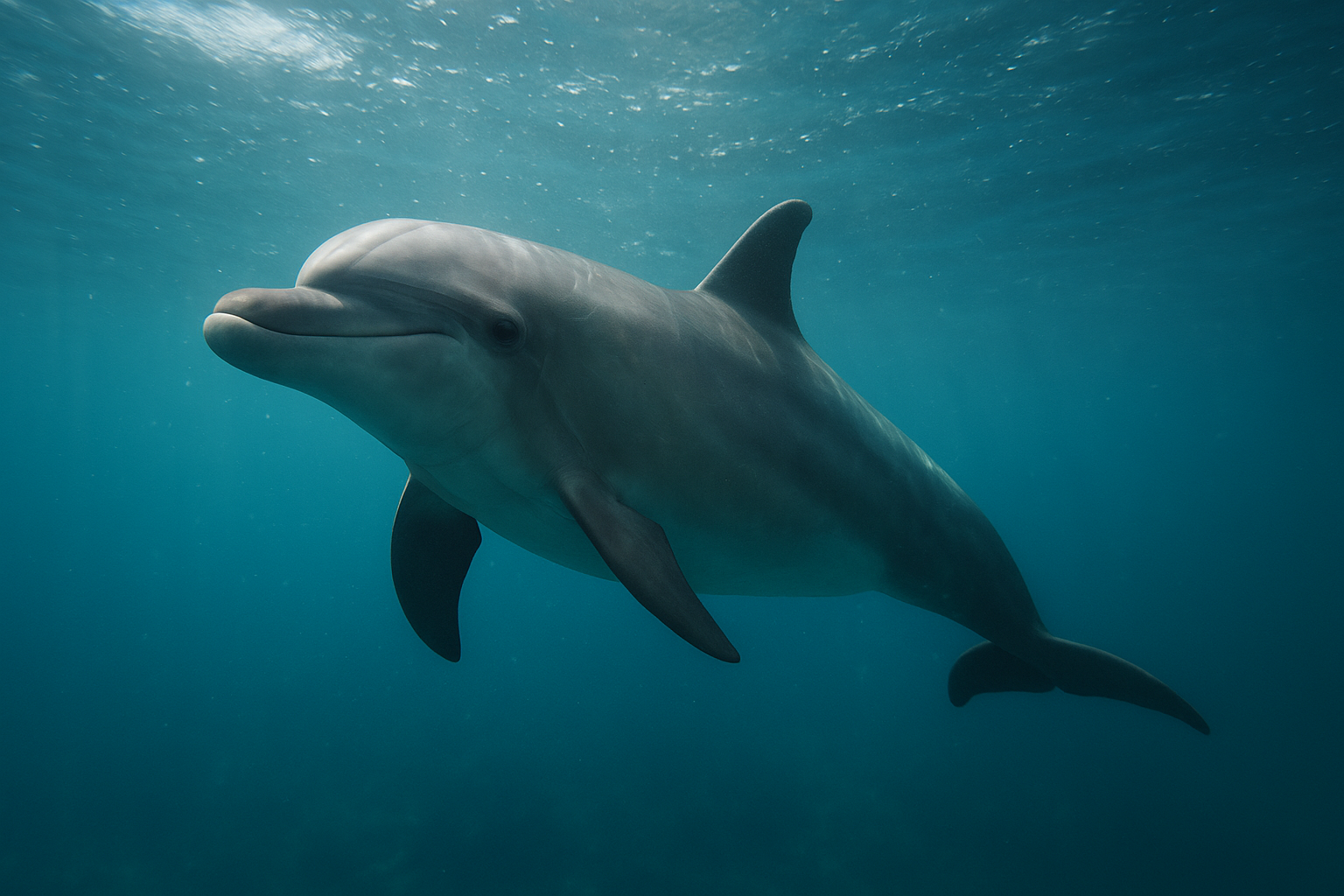
Autumn 2025 has been marked by significant developments in dolphin research and conservation — from the launch of new research projects to the publication of alarming scientific data. The international community is intensifying its focus on the status of these unique marine mammal populations.
🇷🇺 Russia: First Mobile Laboratory for Black Sea Dolphins
Russia has launched a project to create the country's first mobile laboratory for monitoring dolphin health along the Black Sea coast. The initiative is being implemented by the environmental fund "Nature and People" with support from Mondelēz Rus and in collaboration with leading scientific institutions.
Key project objectives:
The project is particularly important for the Black Sea, home to the endangered Black Sea bottlenose dolphin and harbor porpoise (azovka), listed in Russia's Red Book. According to specialists, the azovka population does not exceed 500–600 individuals. Annual dolphin mortality along the coast indicates systemic pressure on the entire ecosystem related to water pollution, depletion of food sources, entanglement in fishing nets, and natural epizootics.
🇺🇸 USA: Long-term Dolphin Research in Galveston Bay
The Galveston Bay Dolphin Research Program (GDRP), a partnership between the Galveston Bay Foundation and the Environmental Institute of Houston, continues long-term monitoring of bottlenose dolphins in Galveston Bay, Texas.
Program achievements:
The program also participates in a five-year NOAA project assessing multiple stressors affecting dolphin health in a highly industrialized area that includes the world's second-largest petrochemical complex — the Houston Ship Channel. Dolphins serve as bioindicators of the ecological health of coastal waters exposed to pollution, eutrophication, and hazardous chemicals.
🇪🇺 Europe: Alarming Decline in Dolphin Lifespan
In October 2025, the journal Conservation Letters published a University of Colorado Boulder study revealing a sharp decline in the lifespan of common dolphins in the North Atlantic.
Key findings:
Researchers analyzed 759 stranded dolphins, determining their age from growth layers in teeth. The primary cause of premature mortality is accidental bycatch in fishing nets. An estimated 6,900 dolphins died in the Bay of Biscay in winter 2021 alone, from a winter population of 182,600 individuals.
Scientists warn that if the trend continues, population growth could become negative, creating a risk of "ultimate extinction" of local populations. Since 2024, the French government has imposed an annual one-month fishing ban in the Bay of Biscay every January to protect dolphins.
🌍 Global Context: Climate Change and International Initiatives
Climate Threats to Cetaceans
Climate change is intensifying pressure on dolphins and whales worldwide. According to UN experts and scientific research:
UNESCO projects that by 2100, more than half of the world's marine species could face extinction.
Blue Corridors Initiative
The concept of Blue Corridors — transboundary marine protected areas ensuring safe migration for whales and dolphins — is gaining momentum on international platforms.
Key achievements:
The project results from collaboration between WWF, universities (Oregon State University, UC Santa Cruz, University of Southampton), and international organizations. It provides a scientific foundation for creating networks of marine protected areas and adaptive management strategies.
💡 Conclusion
Autumn 2025 events demonstrate growing global attention to the fate of dolphins and whales. Joint efforts by scientists, conservation organizations, businesses, and governments are forming a new culture of ocean stewardship — based on data, respect for marine ecosystems, and responsibility for biodiversity conservation.
However, challenges remain serious: bycatch in fishing nets, pollution, climate change, and anthropogenic pressure continue to threaten populations. Only a comprehensive approach — from local monitoring projects to international agreements — can secure the future of these remarkable creatures.
Keywords: dolphins, marine mammal conservation, climate change, ocean pollution, bycatch, Blue Corridors, biodiversity, marine ecosystems
🇷🇺 Russia: First Mobile Laboratory for Black Sea Dolphins
Russia has launched a project to create the country's first mobile laboratory for monitoring dolphin health along the Black Sea coast. The initiative is being implemented by the environmental fund "Nature and People" with support from Mondelēz Rus and in collaboration with leading scientific institutions.
Key project objectives:
- Rapid examination of deceased animals
- Determining causes of dolphin mortality
- Assessing the impact of environmental factors on populations
The project is particularly important for the Black Sea, home to the endangered Black Sea bottlenose dolphin and harbor porpoise (azovka), listed in Russia's Red Book. According to specialists, the azovka population does not exceed 500–600 individuals. Annual dolphin mortality along the coast indicates systemic pressure on the entire ecosystem related to water pollution, depletion of food sources, entanglement in fishing nets, and natural epizootics.
🇺🇸 USA: Long-term Dolphin Research in Galveston Bay
The Galveston Bay Dolphin Research Program (GDRP), a partnership between the Galveston Bay Foundation and the Environmental Institute of Houston, continues long-term monitoring of bottlenose dolphins in Galveston Bay, Texas.
Program achievements:
- Dozens of field surveys conducted in 2024
- Over 1,000 individually identified dolphins in the database
- Established that up to 200 dolphins are year-round residents of the bay
- Collected biopsy samples for analysis of toxin accumulation and epigenetic changes
The program also participates in a five-year NOAA project assessing multiple stressors affecting dolphin health in a highly industrialized area that includes the world's second-largest petrochemical complex — the Houston Ship Channel. Dolphins serve as bioindicators of the ecological health of coastal waters exposed to pollution, eutrophication, and hazardous chemicals.
🇪🇺 Europe: Alarming Decline in Dolphin Lifespan
In October 2025, the journal Conservation Letters published a University of Colorado Boulder study revealing a sharp decline in the lifespan of common dolphins in the North Atlantic.
Key findings:
- Average female dolphin lifespan in the Bay of Biscay decreased from 24 years (late 1990s) to 17 years (2019) — a 7-year drop
- Population growth rate declined by 2.4% between 1997 and 2019
- Under ideal conditions, common dolphin populations grow at about 4% per year; by 2019, growth was only around 1.6%
Researchers analyzed 759 stranded dolphins, determining their age from growth layers in teeth. The primary cause of premature mortality is accidental bycatch in fishing nets. An estimated 6,900 dolphins died in the Bay of Biscay in winter 2021 alone, from a winter population of 182,600 individuals.
Scientists warn that if the trend continues, population growth could become negative, creating a risk of "ultimate extinction" of local populations. Since 2024, the French government has imposed an annual one-month fishing ban in the Bay of Biscay every January to protect dolphins.
🌍 Global Context: Climate Change and International Initiatives
Climate Threats to Cetaceans
Climate change is intensifying pressure on dolphins and whales worldwide. According to UN experts and scientific research:
- Rising ocean temperatures disrupt traditional cetacean migration routes
- Depletion of food sources due to changes in plankton and fish distribution
- Forced movement into more dangerous areas with intensive shipping traffic
- Increased collisions with vessels and entanglement in fishing gear
UNESCO projects that by 2100, more than half of the world's marine species could face extinction.
Blue Corridors Initiative
The concept of Blue Corridors — transboundary marine protected areas ensuring safe migration for whales and dolphins — is gaining momentum on international platforms.
Key achievements:
- In June 2025, the digital platform BlueCorridors.org was launched — an interactive tool combining 30 years of satellite whale tracking data from over 50 research groups
- Platform presented at the UN Ocean Conference in Nice, France
- Visualized migratory "superhighways" for 9 key whale species with overlaid threat data: shipping routes, fishing zones, climate impacts
- Initiative supports the global 30x30 goal — protecting 30% of the ocean by 2030
The project results from collaboration between WWF, universities (Oregon State University, UC Santa Cruz, University of Southampton), and international organizations. It provides a scientific foundation for creating networks of marine protected areas and adaptive management strategies.
💡 Conclusion
Autumn 2025 events demonstrate growing global attention to the fate of dolphins and whales. Joint efforts by scientists, conservation organizations, businesses, and governments are forming a new culture of ocean stewardship — based on data, respect for marine ecosystems, and responsibility for biodiversity conservation.
However, challenges remain serious: bycatch in fishing nets, pollution, climate change, and anthropogenic pressure continue to threaten populations. Only a comprehensive approach — from local monitoring projects to international agreements — can secure the future of these remarkable creatures.
Keywords: dolphins, marine mammal conservation, climate change, ocean pollution, bycatch, Blue Corridors, biodiversity, marine ecosystems